Mendaptakan uang dari internet memang dapat di tempuh dengan banyak cara, salah satunya adalah dengan menggunakan situ PTC Clixsense yang telah terbukti banyak membayar membernya. Kebtulan saya sendiri juga ikut dalam bisnis ini maka akan saya bagikan trik dan tips agar cepat PO di PTC ini.

Ada PTC lain yang pernah saya iktu seperti Neobux (King PTC) dan probux yang sekarang telah SCAM (alias tidak membayar lagi). Kali ini akan saya fokuskan untuk membahas trik jitu mendapatkan banyak dolar dari Clixsense :
1. Rajin Mengkliik Iklan
Cara ini mutlak dan wajid untuk Anda lakukan, selain cara paling mudah dari sinilah Anda bisa mendapatkan dolar setiap hari tanpa harus berfikir dalam. Rajin mengklik iklan setiap hari maka dalam satu bulan Anda minimal akan mendapatkan $1 lebih. Memang jumlah segitu tidak lah memuaskan tetapi cara inilah yang paling mudah.
Cara kedua yang bayarannya cukup tinggi adalah dengan mengikuti survey yang di sediakan oleh clixsense. Pekerjaan ini cukup sulit karena waktu yang di butuhkan untuk mengerjakannya cukup lama dan sering di tolak. Biasanya untuk setiap survey yang komplit Anda akan di bayar $0.35 sampai dengan $1 per survey.
Nah kalau yang atu ini anda seperti ikutan loutrey gratis, kalau Anda beruntung anda bisa menang $10 perhari. Tapi selama pengalaman saya belum pernah menang heheh :-( Anda boleh mencobanya, setiap hari untuk anggota standart buleh ikut mengundi sebanyak 25-30 klik kalau tidak salah.
Cara ini yang saya faforitkan dulu. Mengerjakan task kadang tugasanya mudah kadang sulit. Jadi tips mengerjakan task ini harus bisa memahami perintah yang di sediakan sebelum mengerjakannya. Biasanya untuk satu task akan di bayar $0.01- $1 lebih kadang.Keunggulan task ini ada banyak job yang bisa Anda kerjakan.
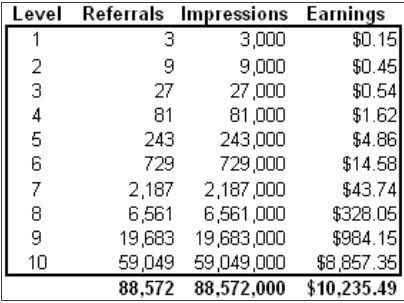
Cara paling enak adalah dengan mencari anggota baru untuk bergabung di clicksense. cara mencari anggota baru cukup mudah. Anda buat blog gratasan dari wordpress atau blogspot kemudian buat artikel tenteng mencari uang online dan tulis saran untuk join di clixsense. Ketika ada yang daftar melalui link Anda maka dia akan menjadi refferal Anda. Anda akan di bayar setiap ada yang masuk dan setiap mereka melakukan klik pada iklan mereka. klik disini untuk DAFTAR
Demikian Trik Cepat Mendapatkan Uang Dolar Dari Clixsense semoga mebantu Anda para pembaca, jika ada pertanyaan silahkan berkomentar saja, insyallah akan segera saya respon.